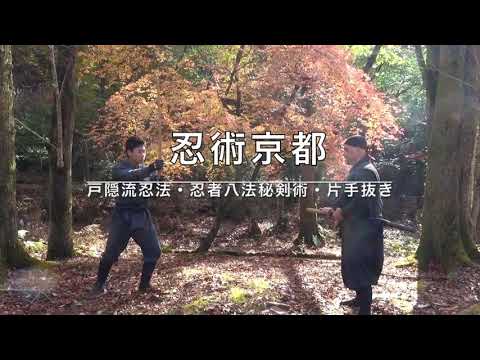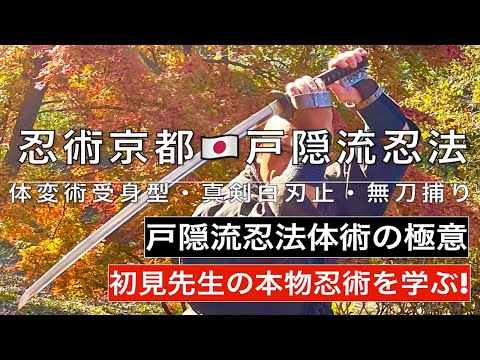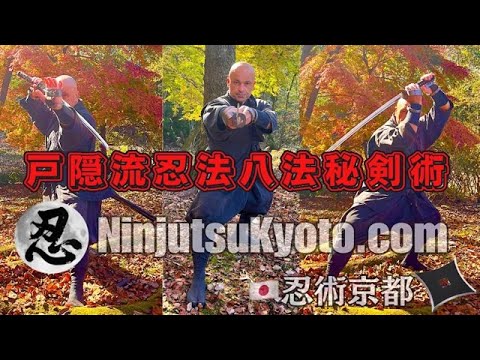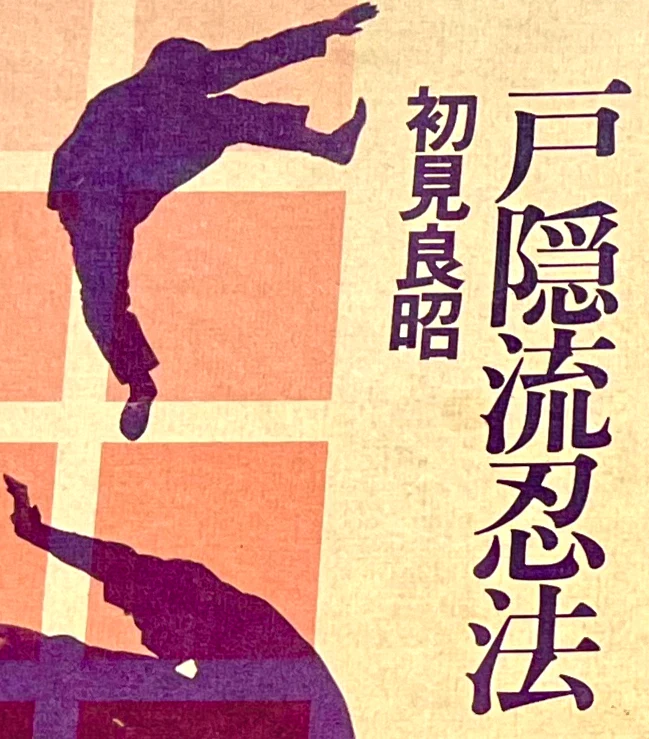
What does the name of this tradition mean?
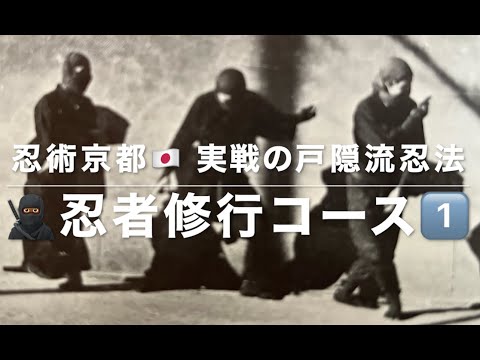
Togakure (戸隠): a name associated in the school’s tradition with the Togakushi area of present-day Nagano Prefecture.
戸: Means “door” or “gate.”
隠: Means “to hide” or “hidden.”
These written meanings alone do not establish the origin of the place name or the history of the school.
Ryū (流): This character means “flow” or “style.” It refers to a particular martial tradition or system passed down through generations.
Ninpō (忍法):
忍: Derived from the verb “shinobu,” meaning “to endure” or “to persevere.” It is also associated with concepts essential to ninja, such as secrecy, stealth and patience.
法: Means “law,” “principle” or “method.”
The meaning of Ninpō depends on context: methods, principles and knowledge can overlap within it. “A path of perseverance” is a teaching interpretation, not its only translation.
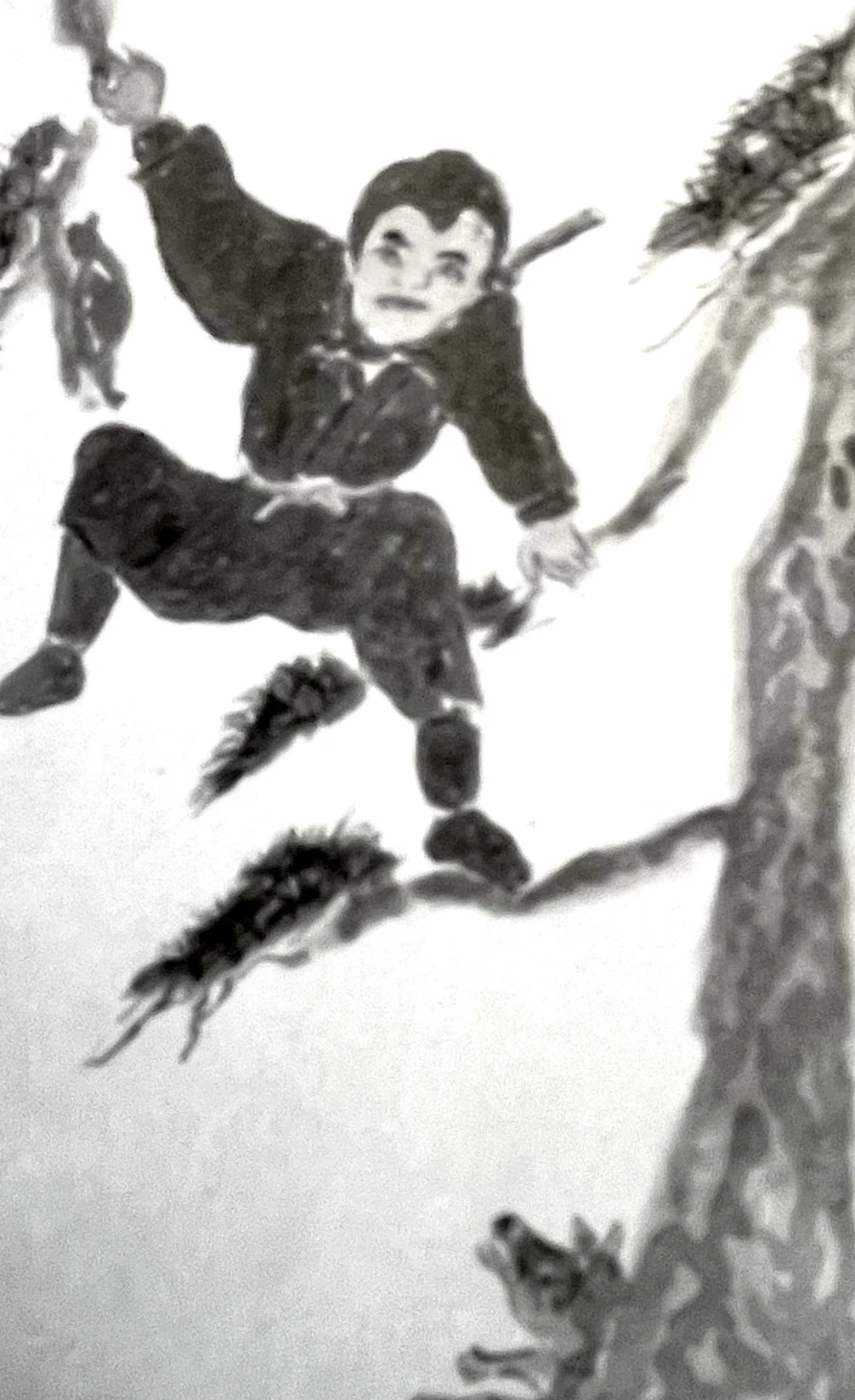
The name identifies a particular martial transmission. By itself, it proves neither a founding date nor a definition applicable to all shinobi.
Origins and History of Togakure Ryū Ninpō
Traditional accounts connect Togakure Ryū’s origins with Nishina Daisuke, also called Togakure Daisuke, and narratives set near the end of the Heian period. They also mention a figure named Kain Dōshi. Establishing their historical value requires study of the versions, composition dates and sources; they do not establish a verified founding date here.
A living transmission can be studied through its practices and teachings. Verifying a medieval narrative is a separate undertaking: comparing dated records and independent evidence.
Characteristics of Togakure Ryū Ninpō
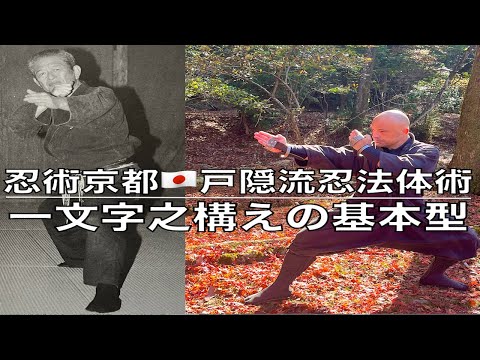
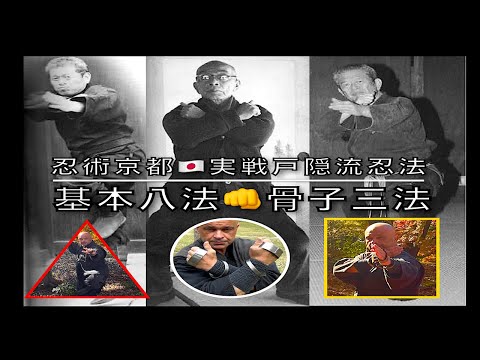
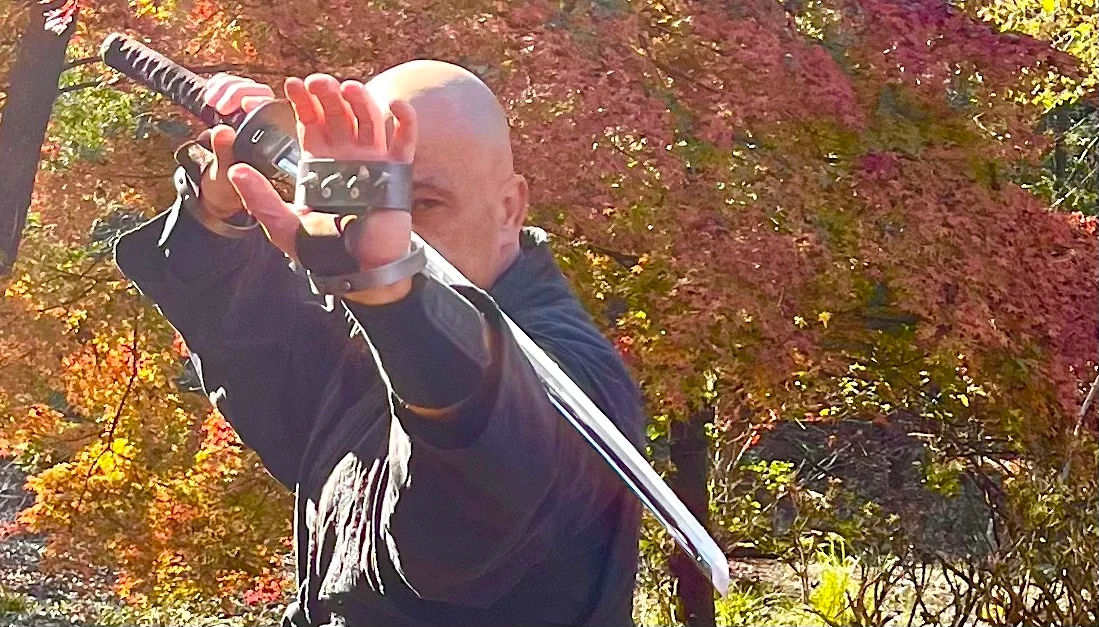
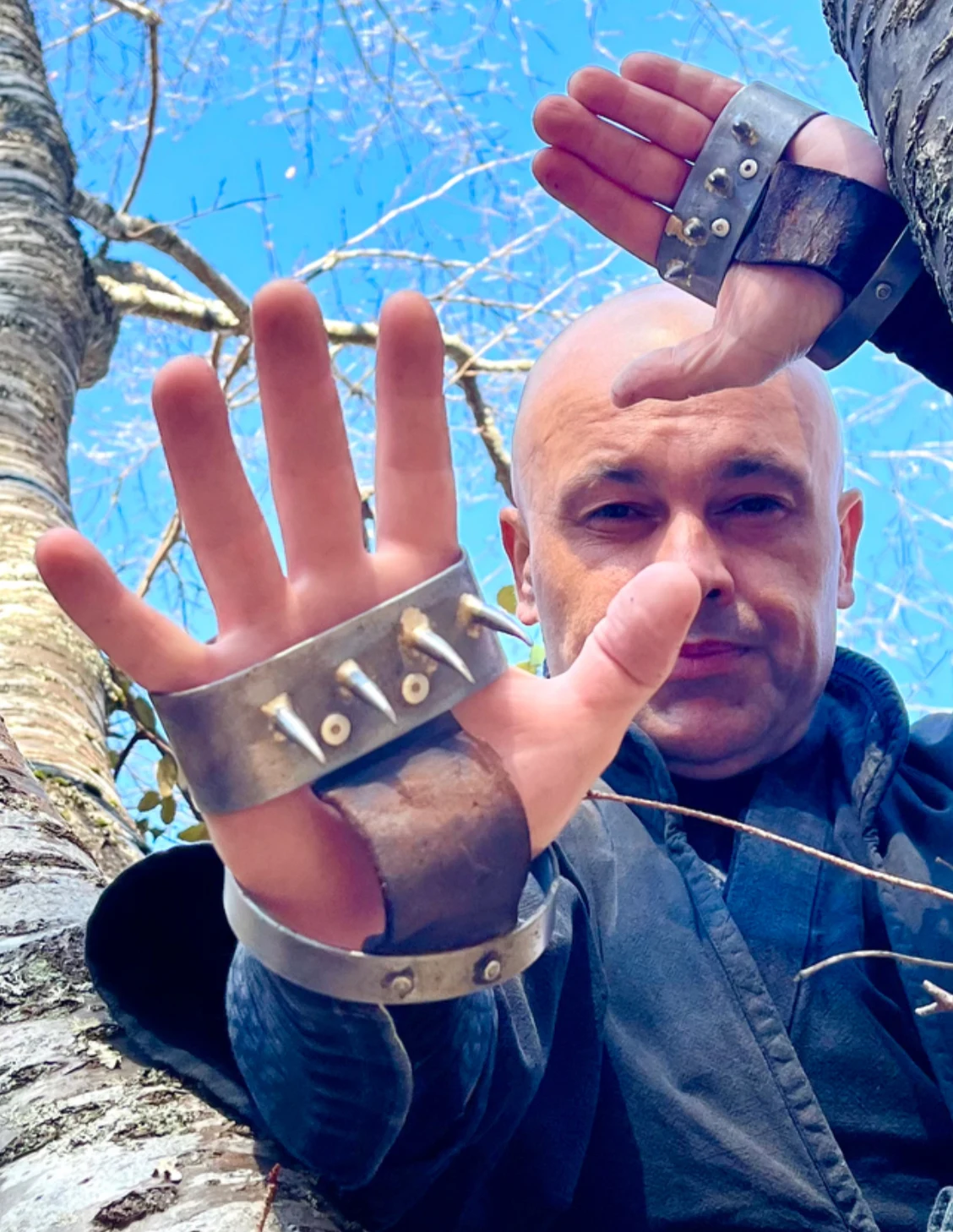
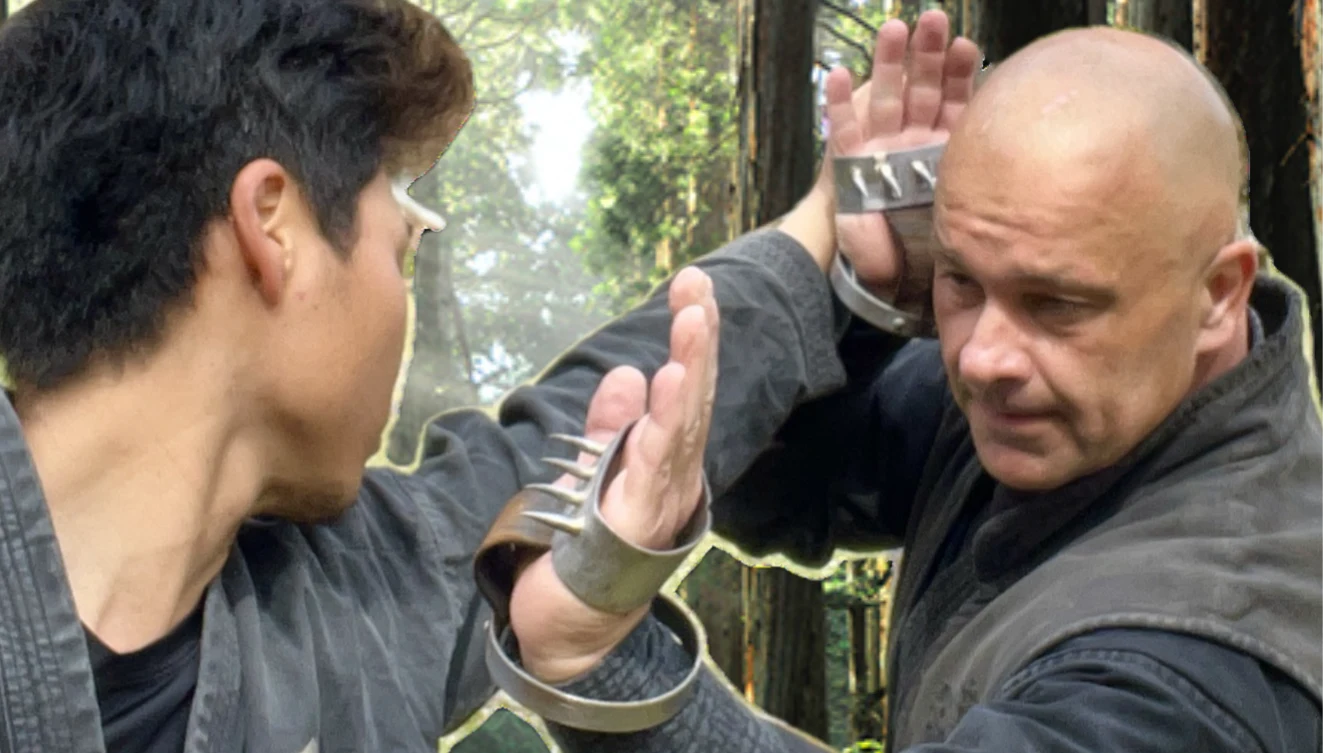
Secret techniques: Togakure Ryū transmits skills essential to ninja missions, such as infiltration, camouflage, intelligence gathering and stealth techniques. It also includes martial arts such as Kenjutsu (剣術), Bōjutsu (棒術) and unarmed combat. The school uses weapons specialized for Ninjutsu, including Shukō (手鉤), Senban Shuriken (旋盤手裏剣) and blowguns.
Self-mastery: observing impulses, maintaining attention and choosing a proportionate response. This teaching approach does not reduce Ninpō to spirituality separate from the body.
Harmony with nature: The practice of Togakure Ryū incorporates elements of nature. Its ninja use the natural environment to carry out covert activities, survive outdoors and complete their missions. Their connection with nature is an important part of their training and philosophy.
Religious context: some authors connect shinobi knowledge with the mountain practices of Shugendō. Shared settings or skills establish neither a single origin nor an identity between ninja and yamabushi.
Happō Bikenjutsu (八法秘剣術) appears in the teaching terminology. Here we approach it through the relationship between body, weapons, distance and decision, rather than a presumed list of eight sword secrets.
Understanding develops through movement and guided experience. The three excerpts studied here do not describe a Happō Bikenjutsu syllabus and cannot serve as documentary evidence for one.
History and Background
Three levels need separating: the history of shinobi intelligence and irregular warfare roles; narratives specific to a lineage; and contemporary teaching. The supplied excerpts chiefly illuminate a reading of Ninjutsu connecting practical knowledge, adaptability and restraint. They do not independently document the entire history of Togakure Ryū.
Technical Content
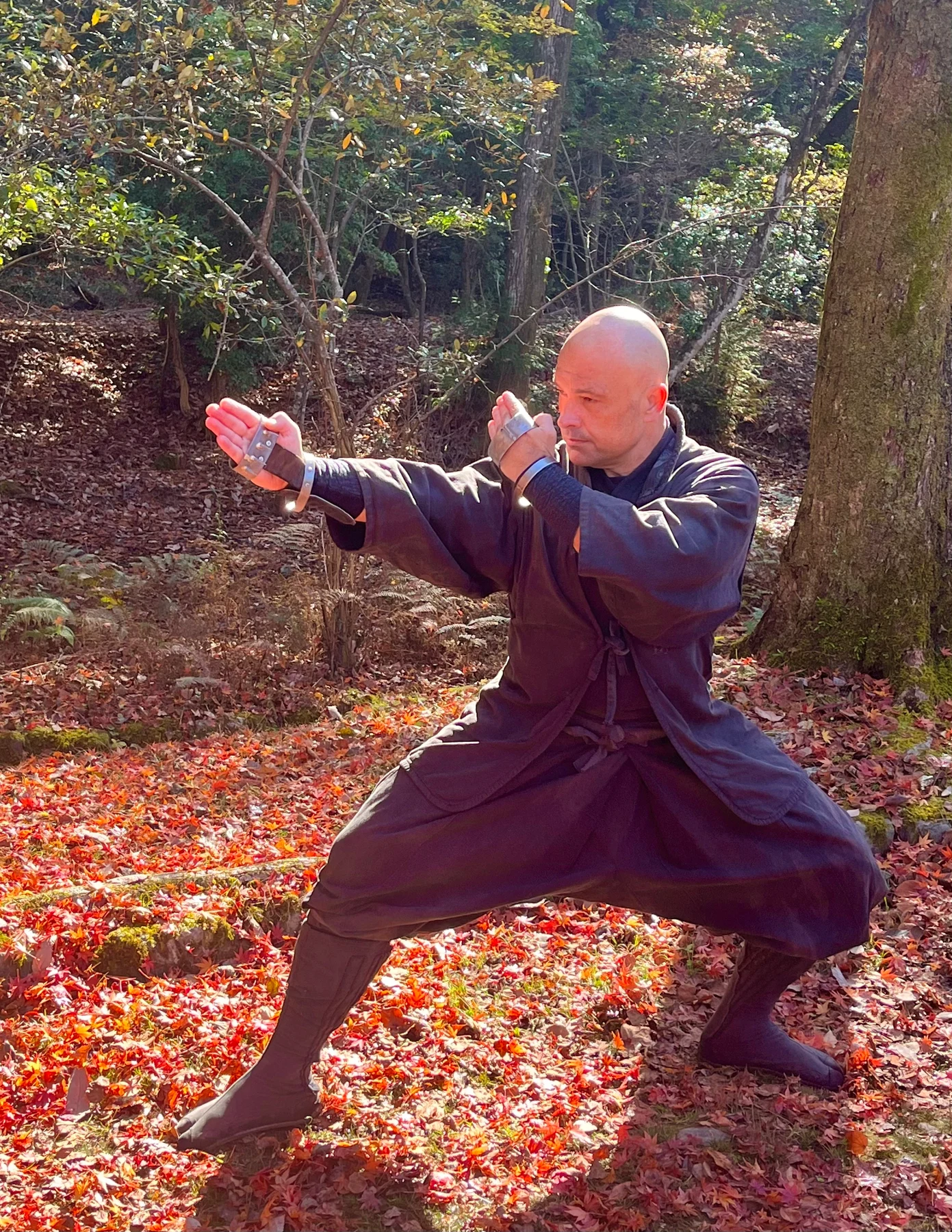
Togakure Ryū Ninpō includes various combat techniques intended to bring out practitioners’ physical and mental abilities to the fullest. These techniques include:
Infiltration and camouflage: Advanced methods for secretly entering enemy territory and carrying out operations without being detected.
Intelligence gathering: Stealth and espionage techniques for obtaining important information.
Martial arts:
Kenjutsu: Swordsmanship techniques.
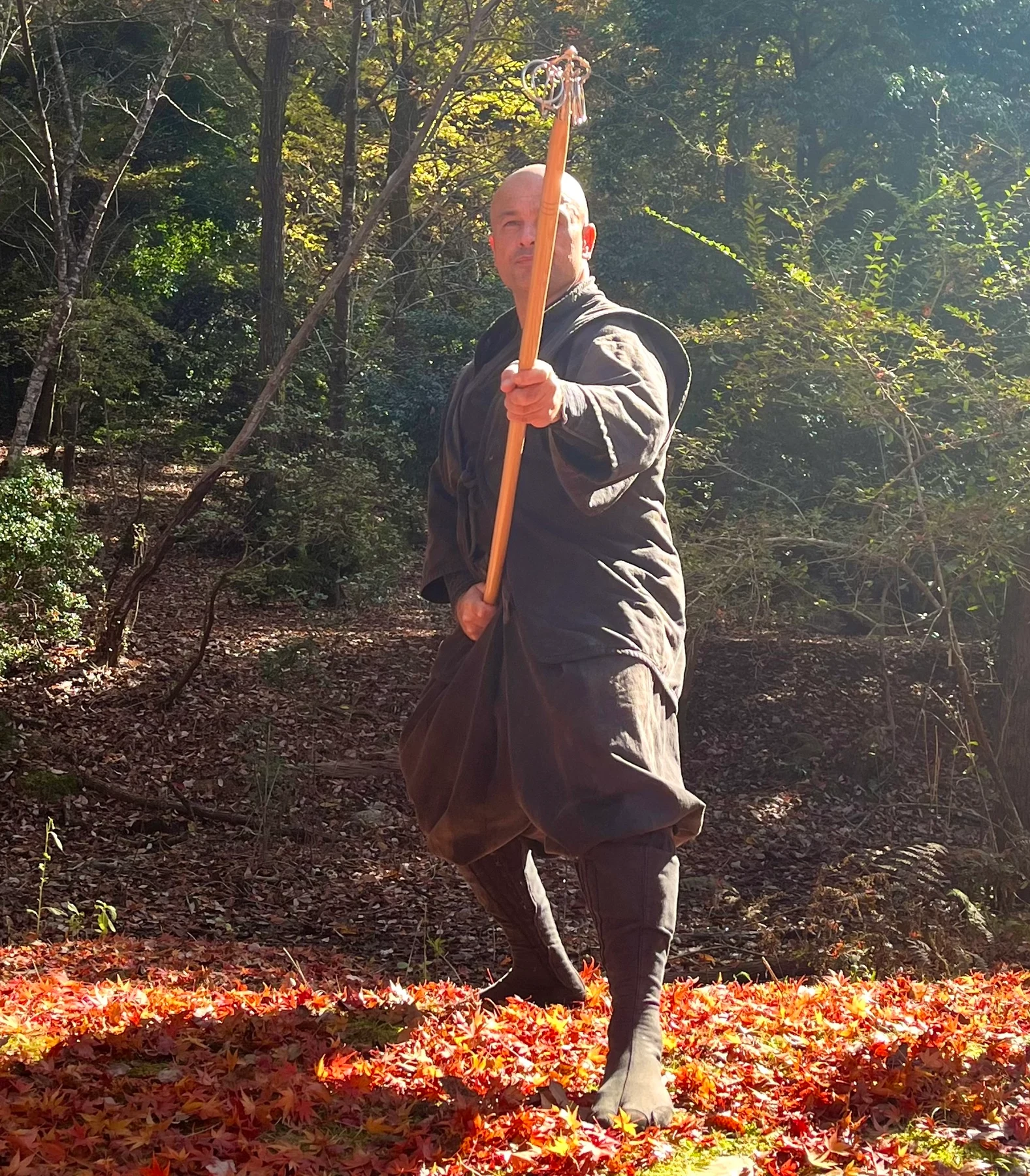
Bōjutsu: Staff techniques.
Kusarigama (鎖鎌): Techniques using a sickle with a chain.
Shukō: Hand claws used for climbing and close combat.
Senban Shuriken: Throwing blades with edges extending in four directions.
Blowpipe: a tool mentioned in traditional presentations; its attribution and uses require specific evidence.
Happō Bikenjutsu: studying the relationship between weapons, movement and judgement within the teaching tradition.
Transmitted forms and explanations guide study. Present-day practice does not automatically establish the age of every technical detail.

Togakure Ryū Today
Today, Togakure Ryū is studied within the framework of budō and Ninjutsu, and is regarded as a means of preserving ninja culture. Masters such as the modern martial artist Masaaki Hatsumi have played an important role in spreading Togakure Ryū techniques throughout the world.
The school’s genealogy belongs to its traditional memory. An entry in a ryūha reference work does not by itself demonstrate uninterrupted succession from the Middle Ages. We therefore do not present Togakure Ryū as the only historically authenticated Ninjutsu school.
Toda Shinryūken, Takamatsu Toshitsugu and Hatsumi Masaaki appear in the lineage presented by the school. This transmitted genealogy, practitioners’ direct experience and the evidence required for earlier periods must be distinguished.
References
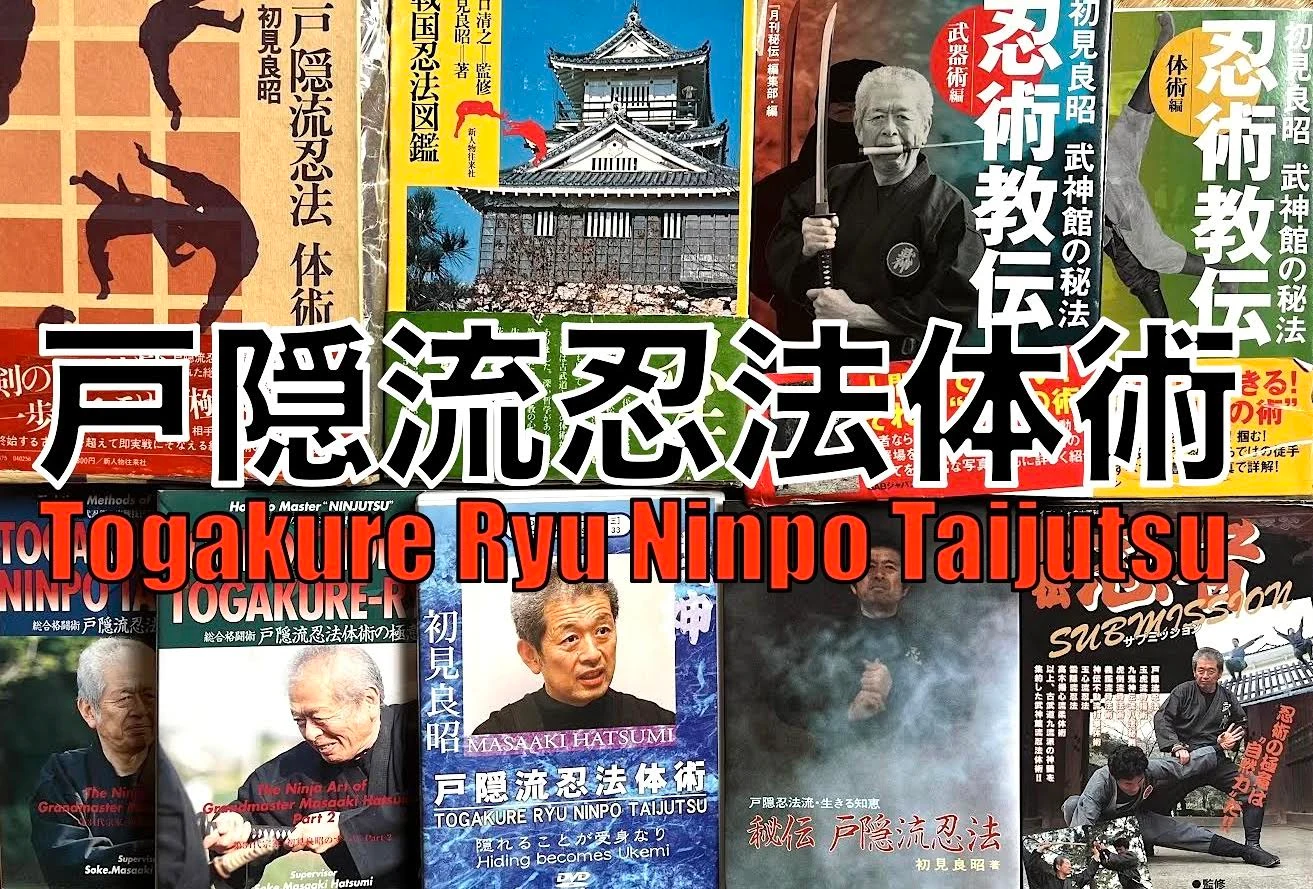
The source studied here is Masaaki Hatsumi’s (初見良昭) 『戦国忍法図鑑』, supervised by Kiyoyuki Higuchi (樋口清之) and published by 新人物往来社; the bibliographical record gives April 1978. The three excerpts illuminate his conception of Ninpō, rather than providing medieval evidence. The other previously suggested work, 『戸隠流忍法体術』, still requires an edition and page reference before precise quotation.
Explore each dimension
Sources and historical notes
The three excerpts studied come from 初見良昭『戦国忍法図鑑』 — Sengoku Ninpō Zukan, by Masaaki Hatsumi, supervised by 樋口清之 (Kiyoyuki Higuchi), published by 新人物往来社 (Shin Jinbutsu Ōraisha). The National Diet Library catalogue confirms these responsibilities and publication in April 1978. This is a modern source of interpretation and transmission, not a document from the Sengoku period. The supplied photographs are identified as excerpts 1, 2 and 3; only page number 6 is visible on the first. The remaining page numbers and the precise printing of the photographed copy still need confirmation. French and English translations were prepared for this reading.
Bibliographical record — National Diet Library
- Documented history: what an identified source specifically supports.
- Traditional accounts: origin and lineage narratives reported as such.
- Author interpretation: analogies, hypotheses and judgements in the excerpts.
- Modern interpretation: teaching applications at the dojo, distinct from historical evidence.
Requires further historical verification: any medieval attribution not independently documented here. Editorial supervision of the book does not, by itself, corroborate every assertion it contains.
Mie University — interview with Yūji Yamada — independent context on intelligence gathering and the limits of the assassin image. This interview does not validate the excerpts’ genealogy or hydraulic claims.