
The Essence of Ninpo
Survival, adaptation and perception.
Togakure Ryū Ninpō begins with reading the whole situation: partner, distance, terrain, light, wind, rhythm and subtle cues.
The aim is to perceive danger before it fully develops, change position when necessary, and protect oneself through the simplest and most appropriate movement.
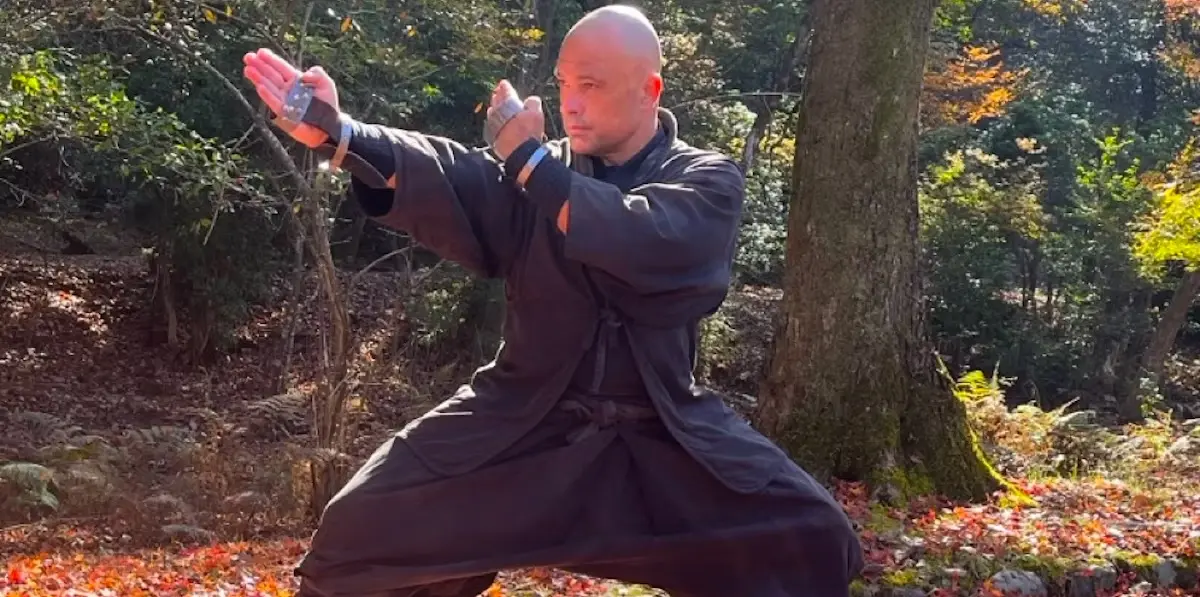
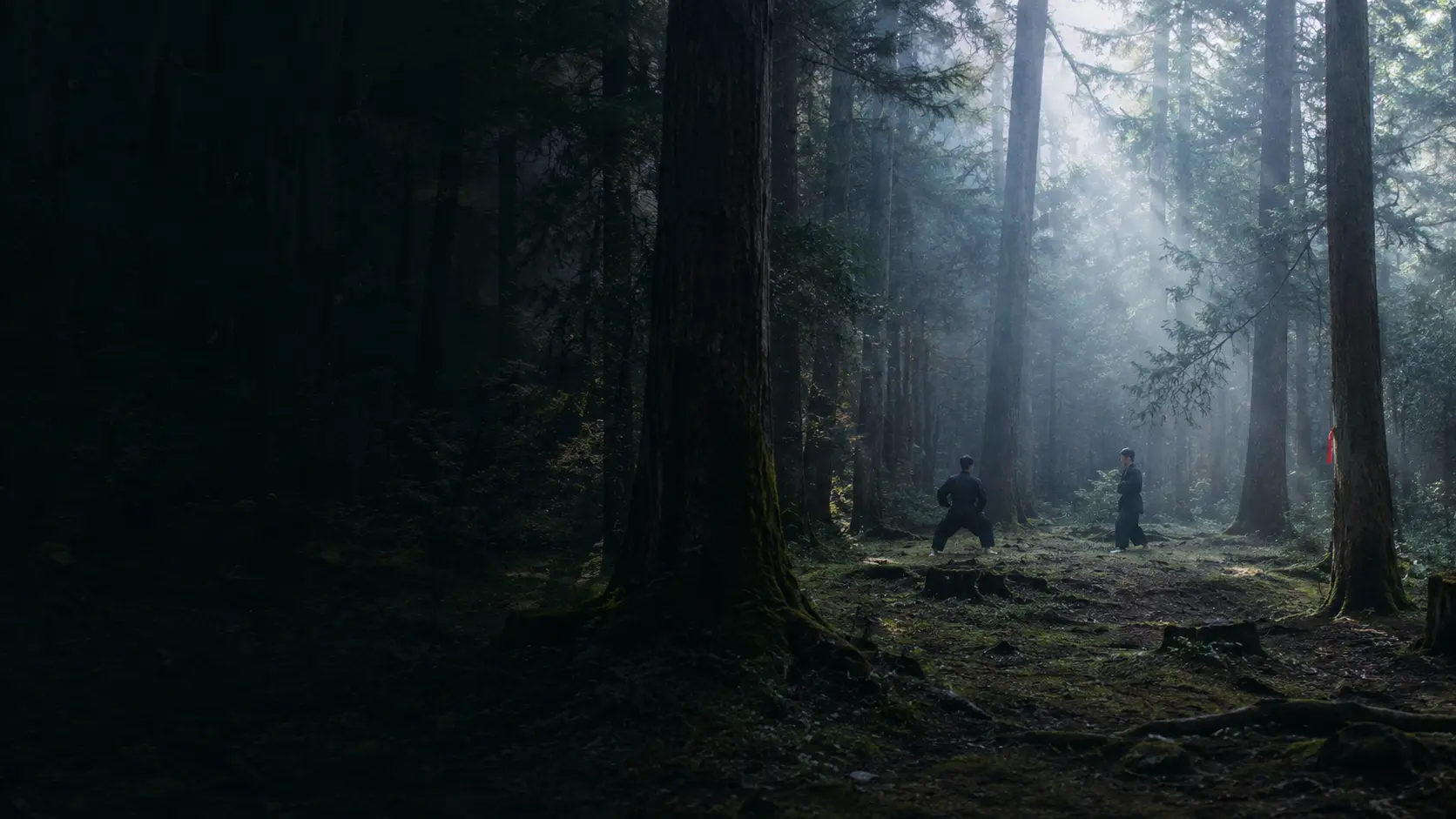
At our dojo in Kyoto, the natural environment is part of the study itself. Uneven ground, changing distance and shifting light require constant observation, adjustment and adaptation.
Through repeated practice, judgment, mobility and the ability to act without relying on fixed conditions gradually develop.
Origins & Traditional Transmission
The Shinobi’s Enduring Wisdom
Shinobi skills and knowledge have been passed down over time through local communities, families and martial traditions. Rather than reducing their origins to a single story, we use practice to explore the principles of movement, observation, patience, self-protection and survival that have reached us.
From Form to Principle
Traditional kata are more than a reconstruction of the past. They are an entry point to understanding the principles within Kamae, Maai, Kuzushi, Ukemi, footwork and weapons, and adapting them to different bodies, attacks and places.
Ninjutsu & Ninpo
The Difference Between Ninjutsu and Ninpo
Ninjutsu (忍術)
Ninjutsu refers to specific techniques and practical methods.
It includes body movement, concealment, mobility, information gathering, self-protection and weapons skills, used according to the situation and purpose.
Ninpo (忍法)
Ninpo connects technique with judgement and a way of living.
It cultivates patience, composure, insight and adaptability, teaching when, why and how to act.
The two are complementary. At our dojo, Ninpo means refining technique while developing the mindset and principles that guide its responsible use.
Body, Mind, Nature and Maai
In Japanese Budo, 心技体 (Shin-Gi-Tai) unites mind, technique and body. In Ninpo, this unity extends to the environment and Maai: perceive, adapt and act at the right moment.

Body
体 – Tai
Align posture, breathing and balance, release unnecessary tension and move without interruption.

Mind
心 – Shin
Observe calmly and choose without being overwhelmed by fear or anger.
Nature
自然 – Shizen
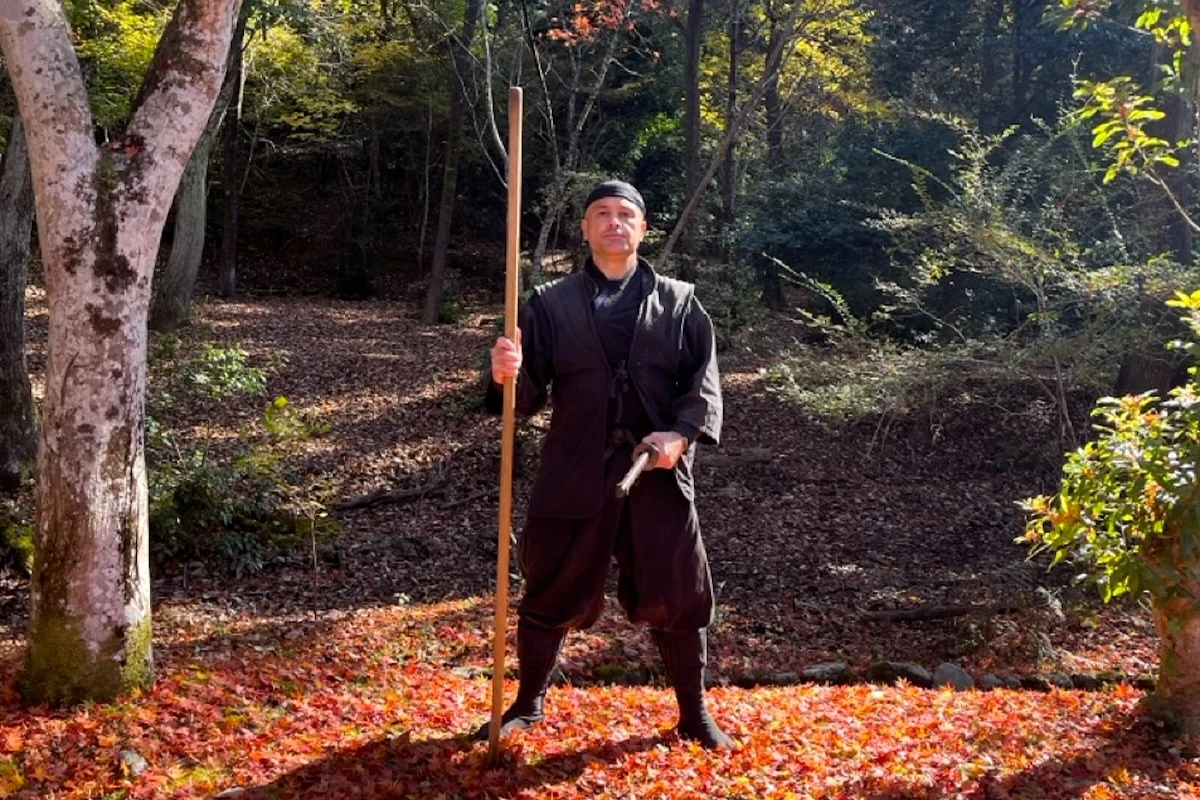
Move as part of a changing environment, adapting to terrain and weather.
Maai – Distance and Timing
間合い – Maai
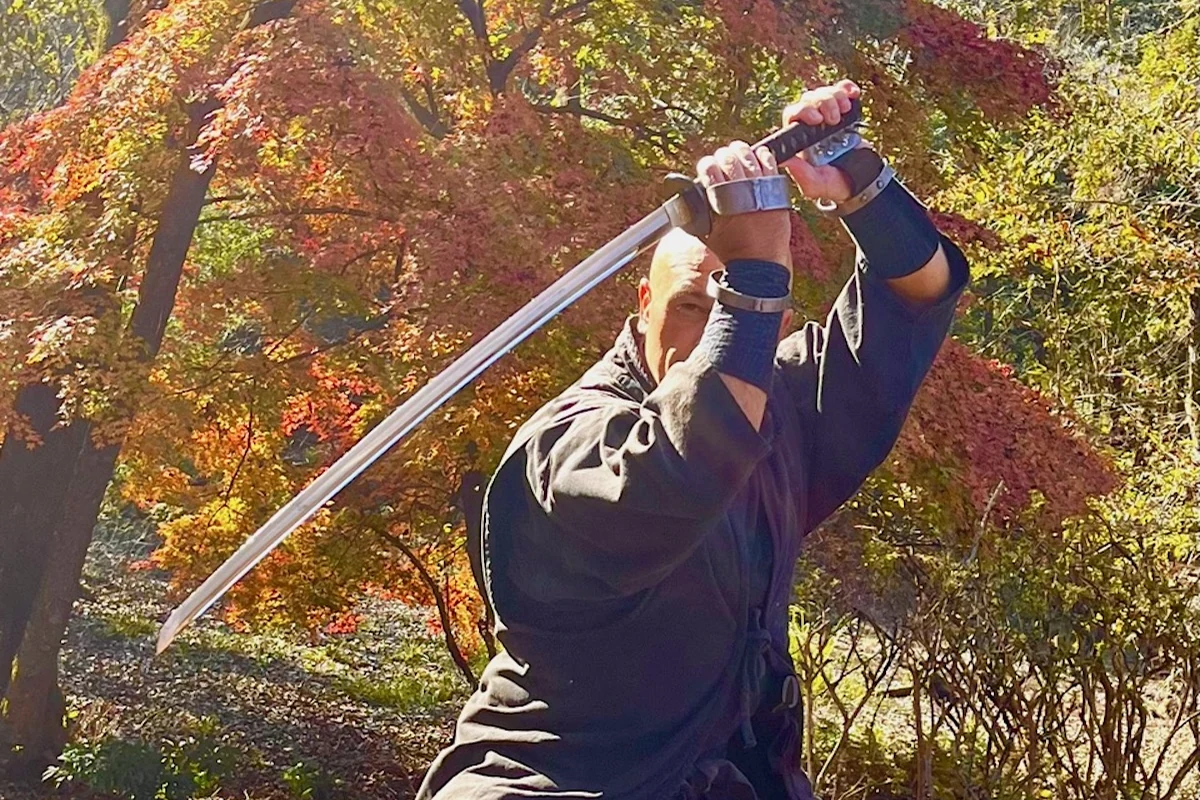
Read distance, angle and timing before the attack reaches its target, then move into a favorable position.
Maai connects body, mind and technique with the environment: distance, angle, rhythm and timing emerge through the relationship with a partner, creating opportunities to enter, withdraw and act.
Core Principles of Togakure Ryu Ninpo
Endure and Discern
Avoid reacting blindly to conflict; preserve the time and composure needed to choose the safest necessary action.
Change and Adapt
Respond to changes in your partner, terrain, weapons and distance without clinging to a predetermined answer.
Survive and Protect
The priority is to get yourself and those you protect away from danger, beyond considerations of winning or appearances.
Practice in Kyoto
Learning with Nature as Our Dojo
Ninjutsu Kyoto Togakure Ryu Ninpo Dojo trains at Sakura no Mori in Takaragaike Park. On uneven ground, every step requires attention to balance, footing, awareness and distance.
Outdoor practice connects perception and judgement with the body, developing movement that responds to change rather than seeking a spectacular appearance.